Explore our high-performance special-purpose vehicles engineered to meet rigorous international standards for safety and efficiency.
In the transition toward cleaner energy matrices, Liquefied Petroleum Gas (LPG) stands out as a high-density, versatile, and lower-emission fuel source essential for regional industries and communities.
LPG serves as a bridging fuel to decrease reliance on coal and diesel. Its off-grid utility makes transport by specialized tankers critical in providing power and heating to remote agricultural zones and growing metropolitan centers globally.
As a highly volatile cargo stored under high pressure, LPG requires containment systems designed and engineered with zero tolerances. CE and ASME certifications are standard requirements necessary to enter high-barrier international markets.
Fleet operators face challenges with variable local gas properties, dynamic temperature changes, and complex pipeline infrastructure, placing a premium on reliable, custom-engineered LPG tanker trucks and trailers.
A look at the metallurgy, fluid dynamics, and safety systems that support heavy-duty pressurized gas transportation.
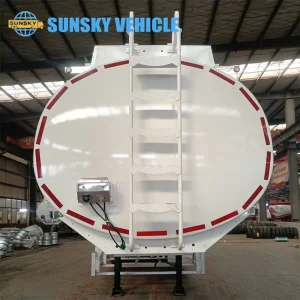
Our pressure vessels are constructed from high-tensile carbon steel, such as Q345R or SA516 Gr. 70. These materials provide high impact resistance at low temperatures, structural integrity under high working pressures (typically 1.6 to 1.8 MPa), and optimized tare weight to maximize payload capacity.
Safety is integrated via dual pilot-operated safety valves, pneumatic and emergency hydraulic shut-off valves, Rochester float level gauges, and grounding connections to dissipate static charges during transfer operations.
Future fleets utilize real-time sensor suites. Internal temperature, pressure, liquid levels, and dynamic stability monitors send telemetry directly to dispatch centers, enabling predictive safety alerts and routing optimization.
Special Vehicle Models
X-Ray Weld Inspected
Quality Certified
Response Guarantee
As a manufacturer authorized by the Chinese Ministry of Industry and Information Technology, Shandong Yale Truck Co., Ltd. benefits from a strong industrial base in Shandong Province. This location provides access to high-grade steel sourcing, advanced component supply networks, and efficient transportation routes.
By using automated submerged arc welding systems, specialized stress-relief heat treatment furnaces, and ultrasonic and radiographic non-destructive testing, we provide reliable pressure vessels for LPG, chemical, and fuel transport.
LPG tankers face varying climates, road conditions, and regulatory environments around the globe. Our engineering processes adapt to these specific operating conditions.
Designed for regions like the Middle East and Africa, these units feature thermal insulation, reflective polyurethane coatings, and high-pressure relief valve settings to manage temperature-induced expansion.
For rural and unpaved routes, we offer reinforced sub-frames, heavy-duty mechanical suspension setups, multi-axle steering configurations, and protective under-run bumpers to safeguard piping.
For municipal heating and cylinder filling networks, compact rigid chassis trucks are outfitted with flow meters, hose reels, and vapor return pumps to operate in tight metropolitan areas.
Regulatory compliance is necessary for hazardous material transport. Our manufacturing facility maintains a strict quality control workflow.
Designed in compliance with the Pressure Equipment Directive (PED 2014/68/EU), ensuring suitability for European distribution networks.
Built according to ASME Section VIII requirements and complying with the Agreement Concerning the International Carriage of Dangerous Goods by Road (ADR).
We provide lifetime technical support, rapid dispatch of spare parts, and response times within 18 hours for operational support.
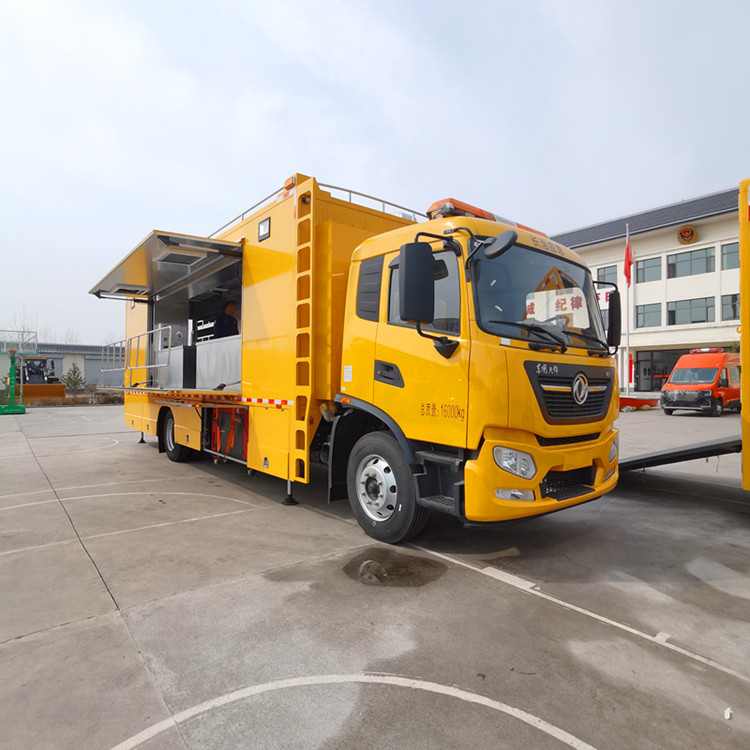
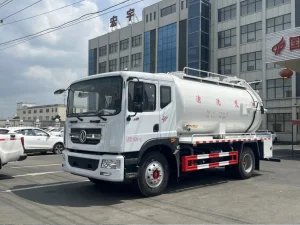
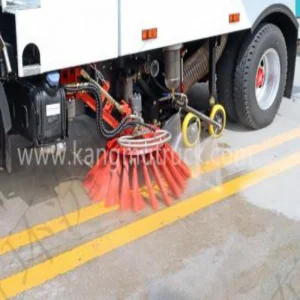
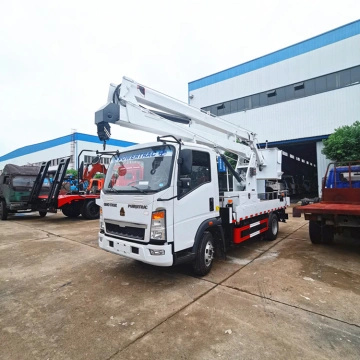
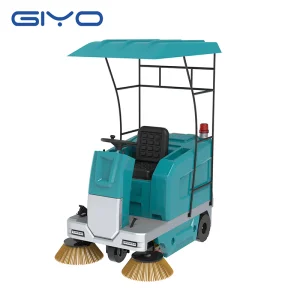
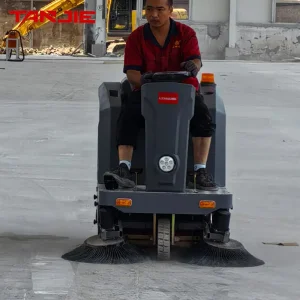
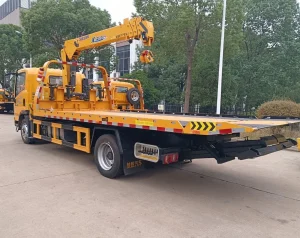
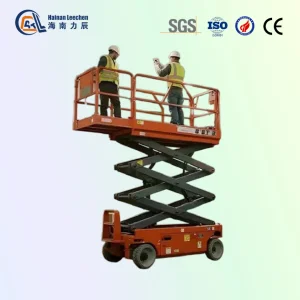
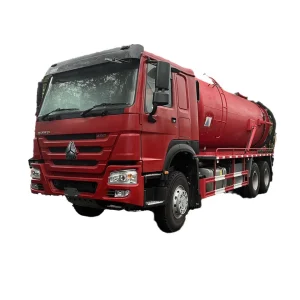
Shandong Yale Truck Co., Ltd. maintains a quality control system covering everything from raw plate inspection to hydrostatic testing. Our production capability encompasses 300+ specialized vehicles, including fuel trucks, chemical semi-trailers, bulk cement tankers, water trucks, vacuum sewage tankers, road sweepers, high-altitude work trucks, and fire trucks.
Our goal is to build long-term, mutually beneficial partnerships with fleet operators, municipal authorities, and trading organizations worldwide by offering tailored engineering options and competitive pricing.
Technical guidance regarding design, certification, operation, and maintenance of our LPG Tanker Trucks.
Each LPG tanker is supplied with full design calculation sheets, a hydrostatic test certificate, weld radiographic (X-ray) inspection reports, a safety valve inspection certificate, and all necessary documents to comply with CE, ISO 9001, CCC, and ASME requirements depending on destination market needs.
Our standard design pressure is 1.6 MPa to 1.8 MPa (approx. 232 to 261 PSI), with a hydrostatic test pressure of 2.1 MPa to 2.3 MPa. This margins ensure structural safety and leak-tight operation under standard operating conditions.
Yes. We install high-quality Chinese standard valves or import premium brands like Fisher, REGO, or Rochester according to user specifications. Meters range from simple mechanical registers to digital mass flow meters with printer connectivity.
We apply white reflective polyurethane finish paints or install polished stainless-steel sunshields over the top half of the tanker. These features help control internal pressure by reducing radiant heat gain from intense sunlight.
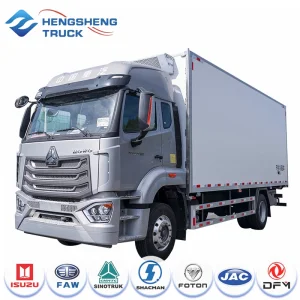
We integrate tankers with major domestic and international commercial chassis manufacturers, including Sinotruk HOWO, Shacman, FAW, Foton, DFAC, and ISUZU, matching the design payload to the chassis wheelbases and axle ratings.
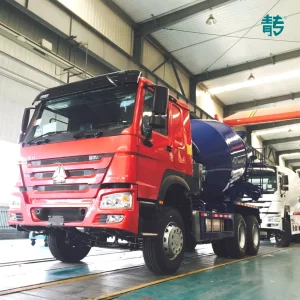
Explore additional vehicles from our commercial transport catalog, including logistics vans, municipal sweepers, and concrete mixers.
 Yale Truck