6 Essential Tips for Safely Operating a Bucket Truck in High Winds?

Time:2026-05-07 Author:Charlotte
0%

Operating a bucket truck safely in high winds is critical for the safety of workers and nearby individuals. High winds can create dangerous conditions that may affect the stability of the bucket truck. Knowing how to operate a bucket truck safely in high winds can prevent accidents and protect lives.

Experienced operators understand the challenges posed by unpredictable weather. They rely on essential tips to navigate these conditions. Understanding wind speeds and their effects is key. There are specific guidelines to follow when winds reach a certain threshold. Proper training and awareness can mitigate risks during operations.

In addition to following safety protocols, operators need to communicate effectively. Clear communication with ground crew is vital. Without it, misunderstandings can lead to dangerous situations. Each operation carries its own risks. Evaluating conditions before proceeding can be the difference between a safe job and a potential disaster. Practicing caution may sometimes mean postponing work until conditions improve.
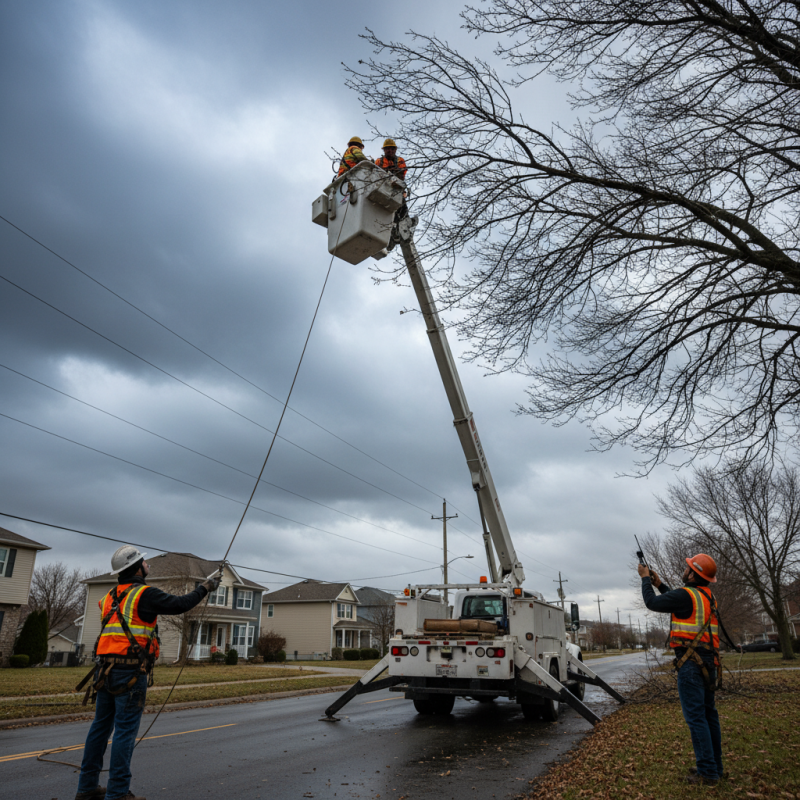
6 Essential Tips for Safely Operating a Bucket Truck in High Winds?

Understanding Wind Conditions and Their Impact on Bucket Truck Stability

When operating a bucket truck in high winds, understanding wind conditions is crucial. Wind speed directly affects the stability of the truck. Gusty winds can create unexpected movements, making it difficult to maintain control. Operators must be aware of their surroundings, like nearby structures or trees that might amplify wind effects. Checking weather updates before starting work can help in anticipating dangerous conditions.

It’s also important to assess the load being lifted. A heavier load can change how wind impacts the truck. Adjusting the boom position and angle helps stabilize the bucket in gusty conditions. This requires practice and confidence. However, underestimating the wind’s strength can lead to serious hazards.

Monitoring the situation continuously is a must. Sudden shifts in wind can catch an operator off guard. Communication with ground staff helps in identifying changes early. Everyone must stay alert, as complacency can lead to mistakes. While the exhilaration of working at height can be exciting, a thorough understanding of wind dynamics is essential for safety. Operators should reflect on past experiences to improve their skills.

Wind Speed Impact on Bucket Truck Stability

The chart above illustrates the relationship between wind speed and the risk level associated with operating a bucket truck. As the wind speed increases, the risk level also increases, indicating greater instability when operating the equipment in higher wind conditions.

Pre-Operation Safety Checks to Mitigate Risks in High Winds

Pre-op safety checks are critical when operating a bucket truck in high winds. Studies show that wind speeds over 20 mph can significantly increase risks. One key step is to assess the wind conditions. Use an anemometer to measure the wind speed accurately. If the wind exceeds 25 mph, re-evaluate the need for bucket operations.

Inspect the bucket truck thoroughly before use. Check the hydraulic system, tires, and boom for any wear and tear. A report from the Occupational Safety and Health Administration (OSHA) notes that proper equipment checks can reduce accidents by up to 30%. Ensure safety harnesses are in good condition, as these are essential for worker safety during high winds.

Another often overlooked aspect is securing loose items. Tools and materials should be stored properly to prevent them from becoming dangerous projectiles. A clean work area helps reduce distractions and increases focus. High winds can lead to instability, and being organized can help mitigate this risk. Each operator should understand these principles, as the stakes are high when working outdoors in challenging weather.

Proper Techniques for Maneuvering a Bucket Truck in Windy Conditions

Operating a bucket truck in high winds demands careful attention and skill. Start by assessing the wind speed before deploying your bucket. If wind gusts exceed 20 mph, consider postponing your work. Stability is paramount. Always keep the truck on level ground. Unstable surfaces can lead to unexpected movements.

Maneuvering within the bucket requires a steady hand. Use slow and deliberate motions when adjusting your position or working with tools. This reduces the risk of losing balance. Also, be mindful of your body posture. Leaning too far to one side can shift the center of gravity, increasing the chance of tipping over.

Communication is crucial in windy conditions. Keep in constant contact with your ground crew. They can help monitor wind conditions and ensure your safety. When not working, secure any loose tools or equipment to prevent them from being blown away. In high winds, even small items can pose serious hazards.

Lastly, reflect on your experiences. Each windy day can teach new lessons about safety and maneuvering. Analyzing past challenges can guide future operations. Proper preparation and reflection will improve your skills in these demanding conditions.

Emergency Procedures for Bucket Truck Operators During High Wind Events

During high wind events, bucket truck operators must be vigilant. High winds can jeopardize stability. Operators should constantly evaluate wind conditions. Learning to recognize when conditions become unsafe is crucial. It might be tempting to push through bad weather, but safety should always come first.

Emergency procedures are vital. Operators should have a clear plan to follow if high winds arise. One essential step is to lower the bucket immediately. Keeping a steady grip on the controls can prevent accidents. Operators should also communicate with ground crew regularly. Signals and alerts can help maintain safety and control during turbulent weather.

Training is an ongoing process. Continuous education on wind patterns can improve safety. Reflecting on past experiences enhances decision-making. Operators should not hesitate to halt work if winds are too strong. A proactive approach, combined with reliable communication, can lead to safer operations.

Post-Operation Safety Protocols to Review After High Wind Usage

Operating a bucket truck in high winds poses unique challenges. After using the equipment in such conditions, it's vital to review post-operation safety protocols. Wind gusts can exceed safe thresholds, so operators must be vigilant.

Post-operation, check for any structural damage. According to the Occupational Safety and Health Administration (OSHA), 60% of accidents occur due to overlooked equipment issues. Inspect boom integrity, cable wear, and hydraulic systems. Each component must perform optimally. Document any findings for future reference. This practice emphasizes accountability and promotes a culture of safety.

Moreover, reviewing site conditions is crucial. Wind can alter landscape stability. American National Standards Institute (ANSI) reports that more than 25% of related incidents happen due to poor site assessment. Consider drainage issues or nearby falling hazards. Remember, even minor oversights can lead to significant accidents. A thorough evaluation empowers operators to make informed decisions in the future.

FAQS

: What is the importance of pre-operation safety checks in high winds?

: Pre-operation safety checks help reduce risks in high winds. They ensure equipment is safe to use.

How should operators assess wind conditions before using a bucket truck?

Use an anemometer to measure wind speed. If speeds exceed 25 mph, reassess the situation.

What should be inspected on a bucket truck before operation?

Inspect the hydraulic system, tires, and boom for wear. Also, check safety harnesses for damage.

Why is it necessary to secure loose items when operating in high winds?

Loose tools can become dangerous projectiles. Proper storage prevents potential accidents.

How can operators maintain stability while maneuvering in windy conditions?

Keep the truck on level ground. Use slow, deliberate motions to maintain balance in the bucket.

What role does communication play during high wind operations?

Constant communication with the ground crew is essential for monitoring conditions and ensuring safety.

What should an operator do during very high wind events?

If winds become too strong, lower the bucket immediately and halt operations.

How can operators improve their skills for high wind situations?

Reflect on past experiences and challenges. Learning from them can enhance safety practices.

What should operators remember about their training in windy conditions?

Ongoing training on wind patterns is crucial. Stay informed to ensure safety during operations.

What mindset should operators have regarding safety in high winds?

Always prioritize safety over productivity. It’s okay to stop work if conditions feel unsafe.

Conclusion

Operating a bucket truck safely in high winds requires a thorough understanding of wind conditions, as they can significantly affect the stability of the equipment. Before starting operations, it's essential to conduct pre-operation safety checks to identify potential risks associated with windy weather. Operators should be trained in proper maneuvering techniques to maintain control of the bucket truck during gusts, ensuring the safety of both the equipment and personnel.

In the event of unexpected high winds, operators must be familiar with emergency procedures to respond effectively and minimize hazards. After using the bucket truck in such conditions, it is crucial to follow post-operation safety protocols, which help assess any wear and damage that might have occurred. By following these guidelines, you can ensure that you know how to operate a bucket truck safely in high winds, ultimately promoting a safer working environment.

Charlotte

Charlotte

Charlotte is a seasoned marketing professional with a deep understanding of the company's portfolio and a passion for elevating its presence in the market. With a keen eye for detail and a commitment to excellence, she ensures that our professional blog is regularly updated with insightful articles......