Operating a heavy tow truck requires specific licensing and knowledge. Many aspiring operators often ask, "What license do I need to drive a heavy tow truck?" This is a crucial question for those looking to navigate the regulations within the towing industry.
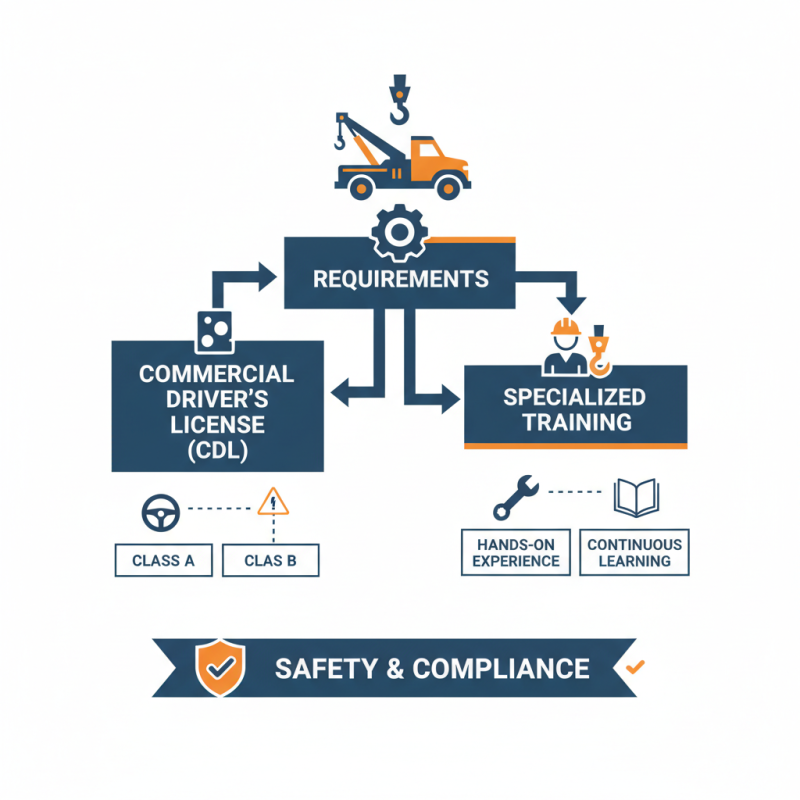
To operate a heavy tow truck legally, drivers must generally hold a Commercial Driver's License (CDL). The requirements can vary by state, but a Class A or Class B CDL is typically necessary. Training programs are available to help individuals gain the skills needed for safe operation. Understanding these regulations is vital for ensuring safety and compliance.
In addition to the necessary licenses, aspiring tow truck operators should consider the importance of hands-on experience. Professional training not only builds confidence but also enhances skills essential for navigating challenging situations. Moreover, to stay current, operators should engage in continuous learning regarding industry standards.
Understanding Heavy Tow Truck Operation Licenses
Operating a heavy tow truck requires various licenses and certifications. Each state has its own regulations. Typically, a Commercial Driver's License (CDL) is mandatory. The classification often depends on the truck's weight and type. A Class A or Class B CDL might be needed for larger vehicles. It’s essential to check specific local laws to ensure compliance.
In addition to a CDL, training courses are beneficial. These courses cover safety protocols, vehicle handling, and emergency response techniques. They ensure operators are well-prepared for the challenges ahead. Some regions may require additional certification for heavy towing operations. Having firsthand experience can enhance knowledge and skills. However, many aspiring operators overlook this crucial aspect.
An understanding of towing equipment is vital as well. Operators must know how to use winches, chains, and other tools effectively. Regular practice and continuous education can help improve these skills. Mistakes can be costly, both monetarily and in terms of safety. Reflecting on past experiences can guide future decisions and improve operational effectiveness.
Types of Licenses Required for Heavy Tow Trucks
When it comes to operating heavy tow trucks, specific licenses are essential. The type of license required can vary based on location and the truck's weight. Generally, commercial driver's licenses (CDLs) are mandatory for these operations. A CDL provides drivers with the necessary skills to handle large vehicles safely. According to a report by the Federal Motor Carrier Safety Administration (FMCSA), over 400,000 heavy tow trucks are in operation across the United States, highlighting the need for skilled operators.
Different states may have additional requirements beyond just a CDL. For instance, some regions mandate specialized endorsements for heavy towing. This could include knowledge of towing regulations and safety protocols. A study revealed that compliance with safety standards reduces accident rates by up to 15%. Without the right training and licensing, operators may face severe penalties. Additionally, unclear or inconsistent licensing often leads to confusion and safety risks on the road.
It's essential for aspiring heavy tow truck operators to research local regulations. Licensing can be a complex landscape with variations across jurisdictions. Joining professional associations may offer guidance and support. Ongoing training and refreshers ensure operators maintain their skills and knowledge. However, the industry still faces a shortage of licensed drivers, emphasizing the need for robust educational resources.
Steps to Obtain a Heavy Tow Truck License
To operate a heavy tow truck, obtaining the proper license is essential. The steps to secure this license can vary by state, but there are common requirements. Most states require drivers to hold a commercial driver’s license (CDL). This often includes passing additional tests specific to handling heavy vehicles.
Before applying, review your state’s specific regulations. Some may demand a special endorsement for towing vehicles over a certain weight. Industry reports indicate that approximately 83% of tow truck operators cite training and certification as vital to safety and compliance. Formal training programs can help drivers master the skills required for heavy towing.
After meeting training requirements, the next step is to pass the required examinations. These may include both written and practical exams focusing on vehicle operation and safety protocols. Data shows that drivers who complete thorough training reduce accident rates significantly. After passing these tests, submitting an application to the state Department of Motor Vehicles (DMV) is crucial. Be prepared to provide additional documentation like proof of training and a clean driving record.
State-Specific Regulations for Tow Truck Licensing
Operating a heavy tow truck requires navigating a complex web of
state-specific regulations. Each state has distinct
licensing requirements that reflect local safety and operational standards.
For instance, in California, operators
must obtain a special Class B license coupled with a “Tow Truck” endorsement.
In contrast, Texas may allow operators to work
with a standard Class C license, but they must complete an approved training program.
A report by the American Towman Association indicates that consistent licensing
can significantly reduce accidents and improve service quality. States with robust training
and certification processes report up to a
30% decrease in on-the-job incidents. However,
inconsistencies persist across states, leading to confusion among drivers and operators.
Some regions lack clear guidelines, making it difficult for newcomers to
understand the necessary steps to comply.
Moreover, the bureaucratic processes involved in obtaining these licenses can also be daunting.
Many operators express frustration at the time it takes to gather documents and complete training.
This inconsistency raises concerns about public safety.
A thorough understanding of the regulations in the respective states is crucial for
operators to avoid penalties and ensure safe operations on the road.
Renewal and Maintenance of Tow Truck Licenses
Renewing a tow truck license is essential for continued operation. The renewal process varies by state and often includes inspections and fees. Some areas require proof of ongoing training. Keeping your license updated ensures you comply with local regulations. Operators must remain vigilant about their license status. Late renewals can result in fines or service disruptions.
Maintenance of tow truck licenses also includes documentation. Proper record-keeping is crucial for audits. This involves tracking vehicle maintenance logs and training certificates. Many operators overlook the importance of timely updates. Missing deadlines can lead to significant issues. Regular reviews of your documentation help avoid these pitfalls.
Staying informed about local laws can be challenging. Regulations change frequently, and oversight can happen easily. Participating in local tow truck associations may provide support. Networking with peers can offer insights into best practices. Embracing these resources improves your chances of maintaining a valid license. Operators must adapt to ensure legal and safe operations.
Licenses Required for Operating Heavy Tow Trucks
FAQS
: A commercial driver's license (CDL) is generally mandatory for operating heavy tow trucks.
Yes, some states require specialized endorsements and knowledge of towing regulations.
Compliance with safety standards can reduce accident rates by up to 15%.
Operators may face severe penalties and safety risks without proper training.
The renewal process may include inspections, fees, and proof of ongoing training.
Proper record-keeping includes vehicle maintenance logs and training certificates.
Late renewals can lead to fines or disruptions in service.
Joining local tow truck associations may help operators keep up with local laws.
Many operators overlook the importance of timely updates to their documentation.
Networking with peers and participating in local associations can provide valuable insights.
Conclusion
To operate a heavy tow truck, it is essential to understand the specific licensing requirements, which can vary by state. Generally, drivers must possess a commercial driver’s license (CDL) along with any specialized endorsements pertinent to towing operations. When considering the question, "What license do I need to drive a heavy tow truck," it is crucial to review both federal guidelines and localized regulations, as each state may impose different standards for licensing.
The process to obtain a heavy tow truck license typically involves completing a training program, passing written and practical exams, and meeting age and health requirements. Additionally, once licensed, drivers must be aware of the renewal and maintenance process to ensure compliance with state regulations. Keeping abreast of state-specific rules is also necessary to maintain licensure and operate within the legal framework.

 Yale Truck