Tow truck winch failure can disrupt operations and cause delays. Understanding how to troubleshoot a tow truck winch failure is crucial. It ensures that drivers can rely on their equipment when it matters most.
Common issues may arise during heavy use or after extended periods of inactivity. Identifying problems early can save time and reduce costs. Check for signs of wear on cables and connections. Regular maintenance can prevent many failures from occurring.
Always consult the owner’s manual for specific guidelines. If needed, seek professional assistance. Learning to diagnose issues can be empowering. It builds confidence in managing equipment effectively. However, it's essential to recognize that complex problems may still require expert intervention. Reflecting on your skills can guide you in tackling future winch challenges.
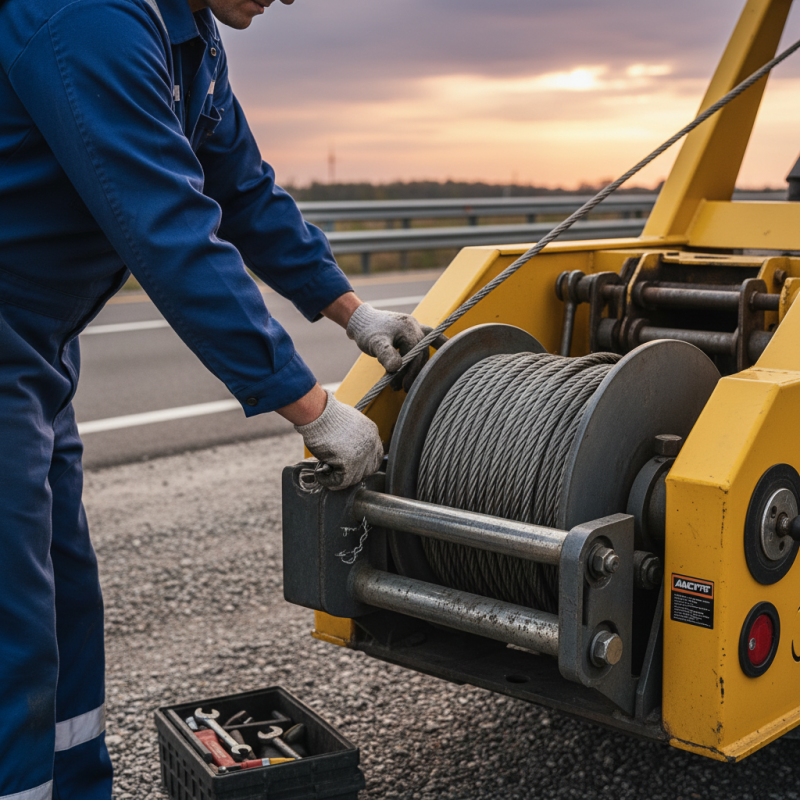
Tow truck winch failures can arise from various factors that affect both performance and safety. According to industry reports, mechanical issues account for approximately 40% of winch malfunctions. Common causes include frayed cables, improper maintenance, and electrical problems. Regular inspections can significantly reduce these issues.
To prevent winch failures, routine checks are vital. Inspect the cable for any signs of wear. Replace it if fraying is visible. Electrical connections should be clean and secure. A loose connection can lead to operational failures during critical moments, causing unsafe situations.
Another factor often overlooked is the load capacity. Exceeding the winch’s limits can lead to serious failures. Always refer to load ratings provided in technical specifications. Educate your team on these limits to avoid misuse. Proper training ensures that operators know the risks of overloading. Regular refresher courses could mitigate this issue effectively.
When diagnosing winch issues, it's crucial to follow a systematic approach. Begin by checking the power supply. Ensure the battery is fully charged and connections are secure. Loose cables can lead to intermittent failures that are often overlooked. Next, inspect the winch itself for any physical damage. Look for frayed cables or worn gears. Such details can signal underlying problems.
After assessing power and physical damage, focus on functionality. Test the winch under a light load. If the winch struggles or stalls, it may indicate internal mechanical issues. Pay attention to unusual sounds during operation. Grinding or popping noises can point to significant wear. Document these observations. They are essential for troubleshooting.
Finally, review the winch’s motor and solenoid. Corrosion can impede performance. Cleaning these components is an often-neglected step. Regular maintenance can prevent future issues. Reflect on these aspects periodically. Recognizing small problems early on can save time and resources in the long run.
When facing a winch failure, having the right tools and equipment is critical for a swift repair. According to recent industry reports, nearly 70% of tow truck services experience winch-related issues. A well-stocked toolbox can significantly reduce downtime. Essential tools include a multimeter for electrical diagnostics, wrenches for mechanical adjustments, and replacement winch cables. These tools enable mechanics to quickly identify and fix problems.
Beyond basic tools, safety gear is vital. High-quality gloves protect hands during repairs. A sturdy electric winch repair kit ensures that repairs can be carried out effectively. Reports state that maintenance activities on winches can extend their lifespan by up to 30%. Regular inspections using a systematic approach can prevent unexpected failures.
It’s worth noting that even experienced technicians can overlook minor issues during inspections. For instance, visual wear on cable lines might go unnoticed until it's too late. Maintaining thorough documentation of past repairs aids in future troubleshooting. Consider your repair process holistically. Each tool has a role, and missing even one can lead to inefficiencies. A comprehensive set, combined with professionals' hands-on skills, ensures top-notch service.
When it comes to maintaining tow truck winches, proactive care is essential. Regular inspections can help spot issues before they become significant problems. Check for frayed cables and worn gears. Also, inspect the electrical system for any signs of corrosion. Simple visual checks can save you time and money later.
Lubrication plays a crucial role in winch longevity. Use appropriate grease on moving parts and ensure gears have enough oil. Keep the winch clean and free from debris. Dirt can cause wear and hinder performance. Ignoring these aspects might lead to unexpected failures, leaving you in a tough spot.
Keeping records of maintenance is vital. Note down when inspections were done and any repairs made. This practice can help track performance trends. If issues keep arising, it may signal a deeper problem. Writing these notes is not just about documentation; it encourages reflection on how to improve your maintenance strategy.
Winch performance is a critical aspect of tow truck operations. Industry standards highlight the importance of safety and reliability. According to a 2022 report by the Tow Industry Association, nearly 30% of tow truck winch failures are linked to improper maintenance. Regular inspections and adherence to performance standards can significantly reduce these risks.
Failing to meet industry benchmarks can lead to serious accidents. The ASTM International outlines specific tests that winches must pass. These include load capacity and operational tests, designed to ensure durability. However, many operators overlook these guidelines. This negligence can compromise safety and lead to costly repairs.
Tips for maintaining winch performance: Schedule routine checks to inspect cables and hardware. Replace worn parts immediately to prevent failures. Always adhere to load limits specified by regulations. By staying informed and proactive, operators can enhance performance and safety.
: Check the power supply and ensure the battery is fully charged.
Frayed cables or worn gears can indicate significant underlying problems.
Test the winch under a light load and listen for unusual sounds.
Grinding or popping noises may indicate internal wear.
A multimeter, wrenches, and replacement cables are critical for repairs.
Gloves protect hands, ensuring safety while working on potentially hazardous equipment.
Regular inspections can spot issues early, saving time and money later.
Proper lubrication on moving parts prevents wear and extends winch life.
Tracking inspections and repairs helps identify performance trends over time.
Overlooking small problems can lead to unexpected failures and costly repairs.
This article provides a comprehensive guide on how to troubleshoot a tow truck winch failure effectively. It outlines common causes of winch failures, such as mechanical wear, electrical issues, and lack of maintenance. By following a step-by-step diagnostic process, operators can identify the root causes of problems quickly.
Furthermore, the article highlights essential tools and equipment necessary for performing prompt repairs, ensuring that tow truck operators are well-prepared for emergencies. Preventative maintenance tips are also discussed to help avoid future winch failures, alongside industry standards that promote safety and reliability in winch performance. Overall, this guide serves as a valuable resource for anyone looking to maintain the functionality of their tow truck winch and respond to failures efficiently.

Yale Truck