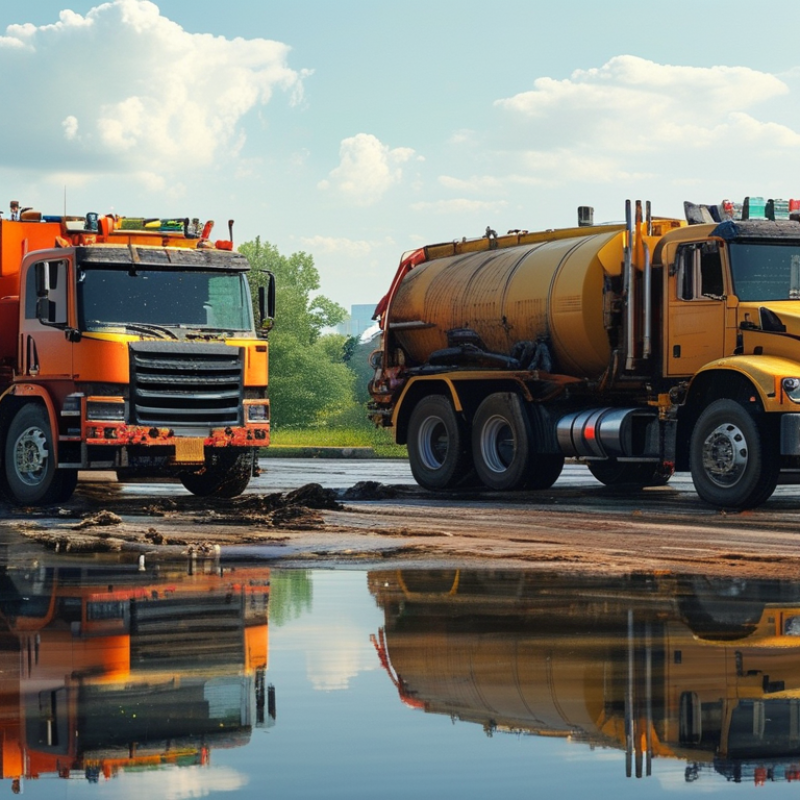
What is the Difference Between a Vacuum Truck and a Sewage Truck?

Time:2026-05-01 Author:Aria
0%

When exploring waste management vehicles, one may wonder, "What is the difference between a vacuum truck and a sewage truck?" Both trucks serve essential roles in sanitation and environmental protection. However, their functions and capabilities differ significantly.

Vacuum trucks are designed primarily for liquid waste and debris removal. They use a powerful suction system to collect substances from various locations. These trucks often manage materials like industrial sludge, stormwater, or hazardous liquids. On the other hand, sewage trucks focus on transporting waste from sewage systems. They have specialized tanks for holding human waste from septic tanks and sewer lines.

Understanding these distinctions is crucial for effective waste management. Each truck type is engineered for specific tasks. This knowledge aids operators and businesses in choosing the right vehicle for their needs. In this context, it becomes clear that while both trucks share some similarities, their purposes are unique. Reflecting on these differences ensures we appreciate the complexity of waste management.

What is the Difference Between a Vacuum Truck and a Sewage Truck?

Differences in Functionality Between Vacuum Trucks and Sewage Trucks

Vacuum trucks and sewage trucks serve distinct functions, though they may seem similar at first glance. A vacuum truck is designed to remove and transport liquids, sludge, and debris from various sites. It uses a powerful vacuum system to create suction. This makes it ideal for cleaning up spills, dredging, and removing waste materials from industrial locations. Its versatility allows it to be employed in a variety of settings, from construction sites to municipal services.

On the other hand, sewage trucks focus specifically on transporting wastewater and sewage. These trucks are equipped with specialized tanks designed to handle liquid waste and are often used in sewer maintenance. The suction capabilities are similar, but the design emphasizes safety and compliance with health regulations. Usually, these vehicles have containment measures to prevent leaks or spills during transport, reflecting the importance of hygienic practices in wastewater management.

While both types of trucks utilize similar technologies, their applications differ significantly. Understanding these nuances is crucial for selecting the right equipment for the job. A poorly chosen vehicle could lead to inefficiencies or safety concerns, highlighting the importance of consulting with professionals. The decision may impact project timelines and environmental safety, which are critical in these fields.

Understanding the Design and Structure of Vacuum and Sewage Trucks

Vacuum trucks and sewage trucks serve distinct purposes, but their designs share some similarities. Vacuum trucks are equipped with powerful vacuums. They remove liquids, sludge, and debris from different sites, including construction areas and industrial plants. These trucks often have large tanks designed for various materials, ensuring safe transport to disposal sites.

On the other hand, sewage trucks focus primarily on transporting wastewater. Their tanks are designed to handle human waste and other contaminants. This specialized design prevents leaks and odors, aiding sanitation efforts. Each truck type uses pumps designed specifically for their intended materials. Proper maintenance is crucial to avoid malfunctions and ensure efficiency.

Tip: Check for proper certifications before hiring any truck service. Not all vehicles are suited for every task. Understanding the specific requirements can prevent mishaps.

When choosing between the two, consider the specific materials that need removal. Selection impacts operational efficiency. Both vacuum and sewage trucks require trained operators to handle the equipment safely. Investing in operator training enhances performance and reduces risks. Regular inspections of the pumps sustain optimal functionality. Ignoring these can lead to serious operational issues.

Operational Uses of Vacuum Trucks in Various Industries

Vacuum trucks serve a wide range of industries with essential operational capabilities. These trucks are designed to handle liquid waste and sludge. Their strong suction power effectively removes materials from various sites, ensuring cleanliness and safety. They are commonly used in construction, agriculture, and even industrial maintenance. For instance, in construction, vacuum trucks clean up debris and hazardous materials efficiently.

In contrast, sewage trucks focus specifically on transporting and disposing of sewage waste. They play a crucial role in maintaining public health. These trucks typically feature specialized tanks designed to handle waste safely. In municipal operations, sewage trucks remove waste from septic tanks and sewer systems. Both vehicle types are vital, but their specific applications vary widely.

Despite their importance, the usage of these trucks can sometimes be flawed. Not all operators are trained properly. Maintenance might be overlooked, leading to operational failures. It is critical for industries relying on these vehicles to understand their limitations. An untrained operator can jeopardize safety and efficiency. Awareness of correct operational practices can enhance performance and reliability.

Sewage Trucks: Specialized Vehicles for Wastewater Management

Sewage trucks play a crucial role in wastewater management. These specialized vehicles are designed to transport sewage and wastewater from various sources, such as households, industries, and sewage treatment plants. According to industry reports, the demand for sewage trucks is expected to grow significantly, driven by increasing urbanization and stringent environmental regulations.

These trucks are equipped with powerful vacuum systems. They can efficiently remove waste and transport it to treatment facilities. An estimated 85% of sewage trucks use a combination of vacuum and pressure systems for optimal performance. This ensures that waste is collected quickly and effectively, minimizing the risk of spills and environmental contamination.

However, operating sewage trucks presents challenges. The maintenance of proper hygiene is essential. Operators must follow strict protocols to avoid potential health hazards. Often, the public's perception of sewage trucks is negative, which can impact their use. Educating communities about the importance of these vehicles can foster better acceptance and support necessary infrastructure improvements.

Comparative Analysis of Maintenance Needs for Both Truck Types

Understanding the differences between vacuum trucks and sewage trucks is crucial for proper maintenance. Both truck types serve specific roles but have distinct maintenance requirements. A vacuum truck is designed to remove liquid waste and sludge, whereas a sewage truck handles the disposal of sewage and wastewater.

When it comes to maintenance, vacuum trucks often need more frequent inspections. Their suction pump must be in optimal condition to avoid costly repairs. Regular checks of hoses and connections are also essential. Neglect can lead to performance issues, especially during heavy use. Sewage trucks, on the other hand, require regular cleaning of tanks to prevent buildup. This cleaning is essential for sanitation and functionality, as residue can affect operability.

**Tip:** Always follow manufacturer guidelines for maintenance schedules. Adjust these guidelines based on actual usage patterns.

Overall, maintenance routines differ significantly. Vacuum trucks benefit from a proactive approach, while sewage trucks require a focus on cleanliness. Addressing these needs can prolong vehicle life.

**Tip:** Keep spare parts handy for quick repairs. This reduces downtime and keeps operations running smoothly.

FAQS

: What is the primary function of vacuum trucks?

: Vacuum trucks remove liquids, sludge, and debris from various sites, such as construction areas.

How do sewage trucks differ from vacuum trucks?

Sewage trucks focus mainly on transporting wastewater, including human waste and other contaminants.

What is crucial for the maintenance of vacuum and sewage trucks?

Regular inspections and proper maintenance are vital to avoid malfunctions and ensure efficiency.

What should be considered when choosing between vacuum and sewage trucks?

Consider the specific materials that need removal to ensure operational efficiency.

Why is operator training important for these trucks?

Trained operators enhance performance and reduce the risks associated with handling the equipment.

What challenges do sewage truck operators face?

Operators must maintain proper hygiene and follow strict protocols to avoid health hazards.

What percentage of sewage trucks use a combination of vacuum and pressure systems?

Approximately 85% of sewage trucks employ both systems for effective waste collection.

How can public perception of sewage trucks impact their use?

Negative perceptions can hinder the use of sewage trucks; educating communities can improve acceptance.

What tip should be followed before hiring truck services?

Always check for proper certifications to ensure the vehicle is suitable for the specific task.

What can lead to serious operational issues in truck performance?

Ignoring regular inspections of the pumps can result in significant operational challenges.

Conclusion

Vacuum trucks and sewage trucks serve distinct purposes in waste management, leading to the question, "What is the difference between a vacuum truck and a sewage truck?" Vacuum trucks are designed to efficiently suck up a range of liquids and sludges from various sources, making them versatile for industrial and municipal uses beyond just sewage. In contrast, sewage trucks are specifically tailored for the collection, transport, and disposal of wastewater from sewer systems, focusing on specialized wastewater management.

In terms of design, vacuum trucks possess robust suction systems and tanks capable of handling diverse materials, while sewage trucks are built with features optimized for liquid waste, including specialized containment systems to prevent spillage. Operational uses vary significantly, with vacuum trucks deployed across multiple industries like construction and environmental services, while sewage trucks operate primarily within municipal frameworks for sewage and wastewater management. Maintenance needs also differ, reflecting their specific operational functions and the nature of the waste they handle.

Aria

Aria

Aria is a dedicated marketing professional with a deep passion for innovative strategies and a keen understanding of our company's product offerings. With a wealth of experience in the industry, Aria excels at crafting engaging content that highlights the unique features and benefits of our......