The question “What is the maximum height for a standard bucket truck” sounds simple, but the answer depends on equipment class, boom design, chassis, and working conditions. Most conventional utility bucket trucks reach approximately 40 to 75 feet. Some heavy-duty units approach 100 feet, while specialized aerial devices can exceed that range. They should not be called “standard” without qualification.
Manufacturers such as Terex Utilities, Altec, and Versalift publish platform-height and side-reach specifications for individual models. Their data shows an important distinction: maximum platform height is not the same as safe working height. A truck rated for 75 feet may provide less usable reach when parked on uneven ground, positioned beside a slope, or loaded with tools. The 2024 International Powered Access Federation Global Safety Report also emphasizes equipment selection, operator competence, and ground conditions as central safety factors. OSHA’s aerial-lift requirements reinforce the need for stable setup, inspection, and fall protection.
Utility fleet consultant and aerial-device trainer Steve Schrock offers a useful warning: “Reach is not the same as working height.” That point is easy to overlook. A taller boom does not automatically create a safer or more productive jobsite.
This guide compares practical height ranges, platform ratings, side reach, and real operating limits for 2026. The numbers are useful. They are not absolute. Manufacturer manuals and current inspections must always control the final decision.
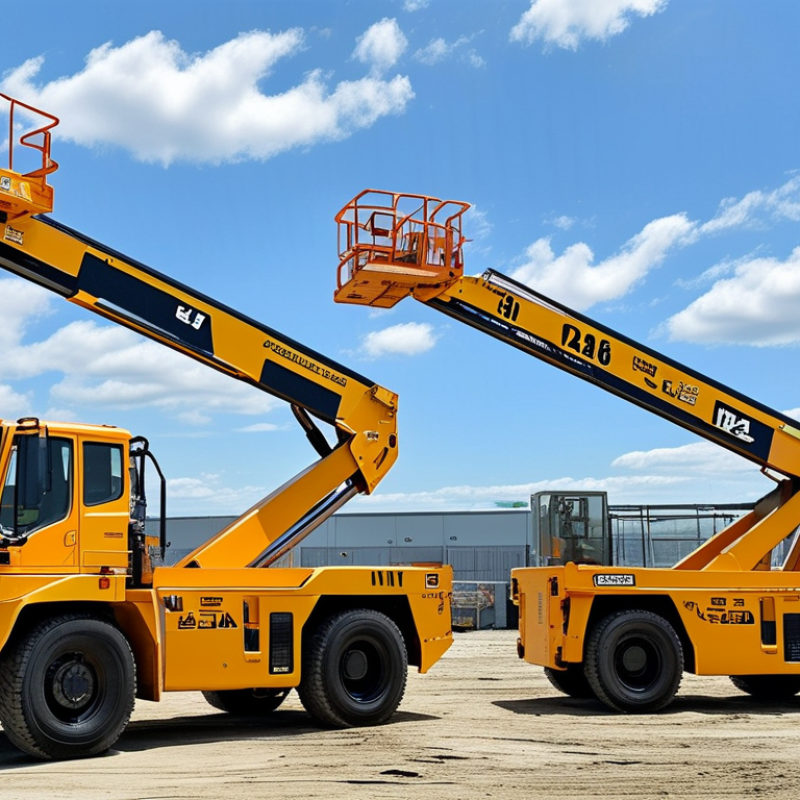
2026 Standard Bucket Truck Height: Why 60 Feet Is the Common Upper Range
A standard bucket truck commonly reaches about 60 feet, measured as maximum working height rather than platform height. That ceiling matters. Industry fleet data from the International Powered Access Federation’s Global Powered Access Rental Market Report shows that vehicle-mounted platforms remain a distinct access category, separate from larger self-propelled booms. This difference helps explain why ordinary utility trucks usually stay within a practical 35-to-60-foot range.
A 60-foot truck typically serves streetlight maintenance, tree work, and overhead utility inspections. Its boom may place the platform around 50 feet above ground, while the remaining height comes from worker reach and platform position. The exact figure changes with chassis design, boom geometry, payload, and ground slope. ANSI/SAIA A92.2 identifies vehicle-mounted elevating platforms by performance and safety requirements, not by one universal maximum height. It is not a rule.
Field experience also shows that maximum height can be misleading. A fully extended boom may lose useful outreach, stability, or lifting capacity. OSHA’s aerial-lift requirements emphasize firm setup, load limits, and safe operating conditions, reinforcing that height alone does not define capability. Some specialized trucks exceed 60 feet, but they often require larger work zones and more careful planning. The common upper range is practical, not absolute. Misreading that distinction can lead to poor equipment selection.
Platform Height vs. Working Height: The Industry’s Typical 6-Foot Difference
For 2026, a standard bucket truck commonly reaches about 35 to 45 feet at platform height. Its working height is often listed near 41 to 51 feet. The difference is usually six feet, representing an operator’s approximate reach above the platform. It is a useful estimate, not a guaranteed measurement.
ANSI/SAIA A92.2-2021 separates platform height from working height and requires manufacturers to state equipment limits clearly. Industry specification surveys commonly show this six-foot allowance across insulated and non-insulated aerial devices. A 40-foot platform, for example, may provide roughly 46 feet of practical reach. Small details matter. Tire pressure, basket load, boom angle, and ground slope can change the real result.
The IPAF Global Safety Report 2024 recorded 118 powered-access fatalities during 2023, showing why a simple height number cannot guide every job. OSHA 29 CFR 1926.453 also requires stable setup, safe operating practices, and fall protection for applicable aerial lifts. A supervisor should verify the platform-height chart, not rely on a sales label. I have seen crews discuss “working height” as though it were exact. It is not. Reach varies between workers, and six feet may be optimistic for some tasks. A safer estimate uses the measured platform height, the actual load, and the required clearance from overhead hazards.
2026 Best Standard Bucket Truck Maximum Height? - Platform Height vs. Working Height: The Industry’s Typical 6-Foot Difference
Representative non-brand specifications for common insulated and non-insulated bucket-truck configurations. Working height is estimated as platform height plus approximately 6 feet.
| Bucket Truck Category |
Typical Platform Height |
Typical Working Height |
Height Difference |
Typical Side Reach |
Typical Platform Capacity |
Common Applications |
| Compact Utility |
24 ft |
30 ft |
6 ft |
18–25 ft |
300–400 lb |
Street lighting, tree trimming, signage, and light maintenance. |
| Light-Duty Standard |
29 ft |
35 ft |
6 ft |
25–35 ft |
350–500 lb |
Routine utility work, communications, municipal maintenance, and pruning. |
| Standard Utility |
35 ft |
41 ft |
6 ft |
30–40 ft |
400–600 lb |
Overhead distribution, telecom installation, service repairs, and tree care. |
| Mid-Reach Utility |
45 ft |
51 ft |
6 ft |
35–45 ft |
400–600 lb |
Higher distribution lines, extended tree work, lighting systems, and industrial service. |
| High-Reach Utility |
50 ft |
56 ft |
6 ft |
40–50 ft |
400–600 lb |
Transmission support, tall-tree maintenance, roadway lighting, and large facilities. |
| Maximum Standard-Class Reach |
60 ft |
66 ft |
6 ft |
45–55 ft |
400–600 lb |
Specialized utility construction, tall structures, major tree operations, and difficult-access work. |
Key takeaway:
For most standard bucket trucks, the working-height figure is approximately 6 feet higher than the platform-height figure because it includes the operator’s standing reach above the platform floor. Actual specifications vary with boom geometry, chassis configuration, load, leveling position, and operating conditions.
ANSI A92.2 Classifications for Insulated and Non-Insulated Bucket Trucks
The 2026 best standard bucket truck maximum height depends on the job, not only the boom length. Common utility models reach about 35 to 75 feet, while specialized units can exceed 100 feet. However, ANSI A92.2 classifications address electrical insulation, not maximum working height. Category A generally covers work above 46 kV, Category B covers approximately 20–46 kV, and Category C covers lower-voltage applications. Always verify the current nameplate and manufacturer’s data.
Insulated bucket trucks require documented dielectric testing, clean fiberglass surfaces, and careful control of minimum approach distances. Non-insulated trucks provide elevation only and should never be treated as electrical protection. OSHA’s 1910.269 requirements and ANSI A92.2-2021 remain essential references. The U.S. Bureau of Labor Statistics recorded 1,075 fatal work injuries in construction during 2023, showing why a height chart cannot replace a site-specific risk assessment. In field use, wind, uneven ground, side reach, and tool weight can reduce practical capacity. A taller boom is not automatically safer.
Tips: Check the ANSI category, rated platform height, side reach, and load chart before dispatch. Inspect the boom, controls, outriggers, and insulating components daily. I have seen crews focus on maximum height and overlook electrical clearance. That mistake deserves a second look.
30–45-Foot Trucks for Utility Work and 50–60-Foot Models for Higher Access
2026 Best Standard Bucket Truck Maximum Height?
For utility work, standard bucket trucks commonly reach 30 to 45 feet. This range suits service lines, streetlights, tree maintenance, and routine inspections. The platform height is not the same as working height. A 40-foot boom may provide a higher reach when the operator and bucket are included. Still, ground slope, load weight, and side reach can reduce practical access.
For taller structures, 50 to 60-foot bucket trucks provide more working room. These models help crews reach elevated conductors, tall lighting systems, and upper tree limbs. They usually require more setup space and careful stabilization. Outriggers must sit on firm ground, not loose gravel or hidden voids. Wind can also make a high platform feel surprisingly unstable.
Choose height from the worksite, not the catalog number. Measure the target point, then allow clearance for tools and safe positioning. I have seen plans fail because they measured vertical height but ignored horizontal reach. That mistake is easy to repeat. A shorter truck may work better on narrow roads, while a taller model can create access problems near overhead obstacles. Operators should confirm rated capacity, terrain limits, and local safety requirements before lifting anyone. Some details remain easy to overlook. Field conditions change fast.
When 75–100-Foot Bucket Trucks Become Specialized Equipment
A standard bucket truck usually reaches about 40–60 feet, depending on boom design, payload, and working position. The 75–100-foot range is different. These units often require heavier chassis, larger outriggers, greater clearance, and carefully controlled ground conditions. They are specialized equipment, not ordinary fleet upgrades.
The U.S. Bureau of Labor Statistics recorded 885 fatal occupational injuries involving falls, slips, or trips in 2023. That figure covers many industries, but it shows why elevated access demands disciplined planning. OSHA 1926.453 requires aerial lifts to follow rated-load, guardrail, and operating controls. ANSI/SAIA A92.2 also addresses vehicle-mounted elevating platforms and safe design expectations. At 100 feet, a small setup error can become a large stability problem. Wind matters too.
Real work feels less predictable. A level driveway may hide soft soil beneath gravel. A branch can push the platform sideways. The height chart may show 100 feet, yet usable outreach becomes lower after adding workers, tools, and material. That difference is easy to miss. A qualified operator should verify the load chart, work zone, slope, overhead hazards, and emergency plan before deployment. The “maximum” number is not always the useful number. Sometimes, a smaller lift is safer and faster.
Conclusion
In 2026, the answer to “What is the maximum height for a standard bucket truck” is generally around 60 feet. This refers to the platform height, while the practical working height is often about six feet higher because of operator reach. Standard models commonly range from 30 to 45 feet and are widely used for utility maintenance, lighting, tree care, and other routine elevated tasks. Their design balances reach, stability, maneuverability, and transport requirements.
Bucket trucks with platform heights of 50 to 60 feet provide greater access for taller structures and extended utility work. However, machines reaching 75 to 100 feet are usually considered specialized equipment rather than standard units, requiring more advanced configuration and operating considerations. ANSI A92.2 classifications also help distinguish insulated and non-insulated aerial devices, supporting safer equipment selection according to the work environment and required protection level.

 Yale Truck